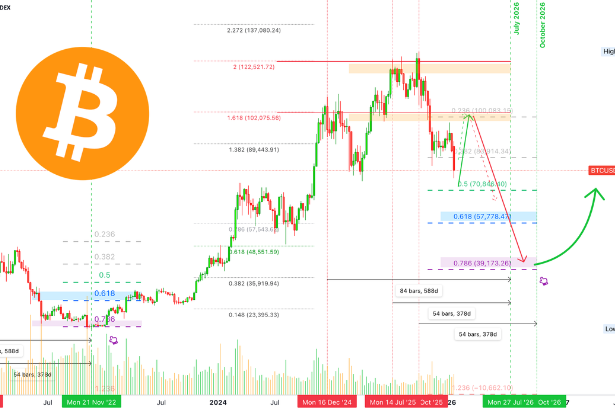
A sudden selloff sends bitcoin to its lowest level in months, rattling investors and crypto-linked companies.
Introduction
Bitcoin price volatility has returned with force after the world’s largest cryptocurrency plunged sharply, triggering a new wave of concern across global markets.
The drop pushed bitcoin to levels not seen since early in President Trump’s second term, reigniting questions about whether the crypto rally of late 2025 was built on fragile foundations.
Why Bitcoin Was Riding High
Bitcoin entered 2026 riding optimism around institutional adoption, spot ETF inflows, and expectations that looser financial conditions would support risk assets. That narrative has now shifted.
Crypto markets remain highly sensitive to macroeconomic signals, including interest rate expectations, regulatory posture, and investor risk appetite. Unlike equities, bitcoin lacks cash flows or traditional valuation anchors, making sentiment shifts especially powerful.
What Just Happened
Bitcoin experienced a sharp intraday decline that erased much of its early-2026 gains, leaving investors searching for a clear catalyst, according to CNN. Analysts pointed to a combination of profit-taking, weakening momentum, and renewed uncertainty around U.S. economic policy.
BBC reporting highlighted that the downturn has been particularly unsettling for retail investors, many of whom entered the market during the recent rally expecting continued upside.
Reuters added that the bitcoin slump is now rippling outward, hitting companies that had aggressively adopted bitcoin-heavy balance sheet strategies during the crypto boom. Several of these firms saw their share prices fall alongside the cryptocurrency.
What Market Analysts Are Saying
Market analysts describe the move as a classic risk-off rotation rather than a crypto-specific collapse. As bond yields fluctuate and equity markets show signs of fatigue, speculative assets like bitcoin tend to feel pressure first.
Some experts argue that the absence of fresh bullish catalysts has left bitcoin vulnerable. With ETF inflows stabilizing rather than accelerating, marginal buyers have stepped back, allowing sellers to dominate short-term price action.
Others note that algorithmic and leveraged trading amplified the drop, as automated liquidations accelerated losses once key technical levels were breached.
What This Means for Investors and Companies
For Investors
The latest bitcoin price crash reinforces crypto’s reputation as a high-volatility asset class. Long-term holders may view the dip as consolidation, while short-term traders face heightened risk.
For Crypto-Focused Companies
Firms that tied corporate strategy to bitcoin accumulation are now under renewed scrutiny. Reuters reports that investors are reassessing whether holding large crypto reserves is a strength or a liability in volatile markets.
For Financial Markets
Bitcoin’s decline reflects broader caution across speculative assets. When crypto weakens sharply, it often signals declining risk tolerance more broadly.
How This Compares to Past Bitcoin Crashes
Bitcoin has experienced similar pullbacks after major rallies in 2018, 2021, and 2022. In each case, rapid gains were followed by periods of sharp correction as leverage unwound and sentiment reset.
What differs now is the deeper integration of bitcoin into mainstream finance, meaning price swings increasingly affect public companies and institutional portfolios.
What Happens Next
The near-term outlook for bitcoin depends on whether buyers step in at current levels. Stabilization could restore confidence, while further declines may trigger additional forced selling.
Investors will closely watch macroeconomic data, regulatory signals, and ETF flow trends for clues about the next move. Without a clear positive catalyst, analysts warn that volatility is likely to persist.
Why This Crash Matters
The bitcoin price crash underscores a familiar truth about crypto markets: momentum can reverse quickly. While long-term believers continue to argue for bitcoin’s role as a digital store of value, short-term price action remains driven by sentiment, liquidity, and macro forces.
For now, the selloff serves as a reminder that crypto remains one of the most emotionally and financially demanding corners of the global market.
FAQ
Why did bitcoin price drop today?
Analysts cite profit-taking, reduced risk appetite, and technical selling as key drivers.
Is this the end of the bitcoin bull market?
Not necessarily. Many corrections have occurred during longer-term uptrends.
Are companies exposed to bitcoin affected?
Yes. Firms holding large bitcoin reserves have seen increased stock volatility.
Should investors be worried?
That depends on time horizon and risk tolerance. Short-term volatility remains high.
What could stabilize bitcoin prices?
Renewed ETF inflows, favorable macro data, or clearer regulatory signals.