

Apple takes on YouTube, Spotify, and Netflix as Apple Podcasts prepares to roll out a richer, more immersive video playback experience powered by its own streaming technology.
Introduction
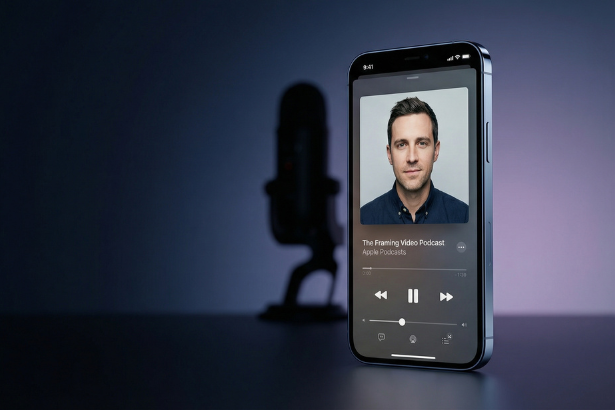
Apple Podcasts video update is set to launch this spring, bringing an enhanced video experience to the platform, according to TechCrunch. The update will introduce Apple’s own HTTP Live Streaming technology to the app, letting users switch between watching and listening, toggle to a horizontal view, and download video episodes for offline playback.
The move is a direct response to growing competition from YouTube, Spotify, and Netflix — all of which have already made significant investments in video podcasting.
Apple Podcasts helped take podcasting mainstream two decades ago. This spring, the company is betting it can do it again for video.
Background and Context
Podcasting launched as a purely audio medium, but the format has been shifting fast. Creators who once recorded in front of a microphone are now setting up cameras, lighting rigs, and multi-angle shoots. Audiences have followed.
According to Edison Research, 51 percent of the U.S. population has now consumed a video podcast, and 37 percent do so on a monthly basis. Those numbers help explain why platforms have been racing to accommodate the format.
YouTube has moved furthest and fastest. The platform reported more than 1 billion monthly active viewers of podcast content as of 2025. Spotify now hosts half a million video podcasts, which nearly 400 million users have watched. Netflix, not historically a podcasting platform, partnered with both iHeartMedia and Spotify to bring video podcasts to its streaming service.
Apple Podcasts, for all its history and scale, had not kept pace on video. That changes this spring.
Latest Update or News Breakdown
TechCrunch reported the details of the Apple Podcasts video update on Tuesday, February 17, 2026. The key features confirmed for the spring launch:
- Video playback powered by Apple’s HTTP Live Streaming (HLS) technology, bringing the same infrastructure behind Apple TV+ into the podcast app
- The ability to switch seamlessly between watching and listening within the same episode
- A horizontal view mode for full-screen video consumption
- Offline video downloads, letting users watch without an internet connection
- The update targets creators directly, giving them improved distribution tools for filmed episodes within Apple’s ecosystem
The update is already available for testing in betas for iOS 26.4, iPadOS 26.4, and visionOS 26.4, ahead of the official spring rollout.
Eddy Cue, Apple’s senior vice president of Services, said in a press release: “Twenty years ago, Apple helped take podcasting mainstream by adding podcasts to iTunes, and more than a decade ago, we introduced the dedicated Apple Podcasts app. Today marks a defining milestone in that journey. By bringing a category-leading video experience to Apple Podcasts, we’re putting creators in full control of their content and how they build their businesses, while making it easier than ever for audiences to listen to or watch podcasts.”
Expert Insights or Analysis
Apple Is Responding to Platform Pressure
YouTube has functionally become the default discovery engine for podcasting. Spotify has embedded video into its core product. Netflix — a platform people use for prestige television — is now distributing podcast content. Apple, which invented the modern podcast distribution model in 2005 when it added podcasts to iTunes, had been watching its position erode on the video side.
The HLS integration is significant because it is not a patch. It is Apple deploying the same streaming infrastructure it uses for Apple TV+ inside the podcast app. That suggests this is a serious, sustained commitment rather than a surface-level feature release.
Monetization Opportunities
Apple already supports paid podcast subscriptions. Enhanced video capability opens up new tiers within that model — exclusive filmed content, behind-the-scenes video, subscriber-only visual episodes. For creators, that means new revenue formats that did not previously exist inside Apple’s walled garden.
The platform that offers the best combination of audience reach, monetization tools, and video quality is increasingly where creators will choose to anchor their production.
User Experience as Competitive Edge
Apple’s consistent advantage has been interface quality. If the new video experience feels as polished as the rest of the app — seamless switching, clean horizontal mode, reliable offline downloads — it removes one of the primary reasons creators and audiences have drifted toward YouTube’s more friction-heavy environment.
Broader Implications
For Creators
The update gives podcasters a meaningful new reason to prioritize Apple’s platform. Until now, a creator who wanted strong video distribution had to treat YouTube as the primary home for filmed content, with Apple as secondary. A genuinely competitive video experience narrows that gap and reduces the pressure to maintain separate production workflows for separate platforms.
For the Podcast Industry
The line between a podcast and a video show has been dissolving for several years. Apple’s update accelerates that. What began as an RSS-distributed audio file now potentially lives simultaneously as a streamed video, a downloaded offline episode, a subscription-only visual product, and an algorithmically distributed clip. The platform that handles all of those formats inside a single app is the one creators have less reason to leave.
For Platform Competition
YouTube, Spotify, Netflix, and now Apple are all competing for the same creator relationships and audience attention. None of them want to be the platform podcasters leave. Apple entering the video competition with its own streaming technology and its built-in install base across hundreds of millions of devices changes the balance of that competition.
Related History or Comparable Platform Moves
Apple’s relationship with podcasting dates to 2005, when it added podcast support to iTunes — a move that gave the format its first mass-market distribution channel and, inadvertently, gave the medium its name. The dedicated Apple Podcasts app launched years later, further cementing the platform’s role in the ecosystem.
Comparable platform shifts in recent years include Spotify’s aggressive expansion into video podcasting, YouTube formalizing dedicated podcast playlists and tabs, and Netflix building a video podcast library through deals with major media partners. Each move reflected the same underlying reality: audiences increasingly expect to watch the shows they used to only hear.
Apple’s spring update fits that pattern while adding a layer the others cannot easily match — deep hardware and software integration across iPhone, iPad, and Apple Vision Pro.
What Happens Next
The beta for iOS 26.4, iPadOS 26.4, and visionOS 26.4 is live now, giving developers and early testers a first look at the experience before the public launch. Creator adoption rates in the weeks following the official rollout will signal how seriously the podcast industry takes the update.
Key things to watch: whether major video-first podcasters shift their primary distribution to Apple Podcasts, how Apple updates its advertising and subscription tools to support the new format, and whether an integration with Apple TV emerges as a natural next step for living room video podcast consumption.
If the experience lands well, the spring update could mark the moment Apple Podcasts stopped playing catch-up on video.
Conclusion
Apple Podcasts video update is not a minor feature refresh. It is Apple deploying its own streaming infrastructure, competing directly with YouTube and Spotify on video, and making the case to creators that they do not need to leave its ecosystem to reach audiences who want to watch.
For two decades, Apple shaped how the world listens to podcasts. The company is now making its clearest statement yet about how it intends to shape how the world watches them too.
Spring 2026 will be the test. Creators and audiences will decide whether it passes.
FAQ
Q1: When is the Apple Podcasts video update launching? The enhanced video experience is set for an official spring 2026 launch. It is currently available in beta for iOS 26.4, iPadOS 26.4, and visionOS 26.4.
Q2: What new features will Apple Podcasts video support include? Users will be able to switch between watching and listening, switch to a horizontal full-screen view, and download video episodes for offline playback. The update uses Apple’s HTTP Live Streaming (HLS) technology.
Q3: Is Apple shifting away from audio podcasts? No. The update enhances video capabilities while preserving audio functionality. Users can switch between the two within the same episode.
Q4: How does this affect creators? Creators gain a more robust video distribution channel inside Apple’s ecosystem, with improved tools for reaching audiences who prefer watching over listening. It also opens new monetization formats tied to Apple’s existing subscription infrastructure.
Q5: Why is video increasingly important for podcast platforms? Edison Research found that 51 percent of the U.S. population has consumed a video podcast, with 37 percent doing so monthly. YouTube, Spotify, and Netflix have all invested heavily in the format. Apple’s update is a direct response to that shift in audience behavior.
Sources and References
TechCrunch: Apple Podcasts is getting an enhanced video experience this spring