


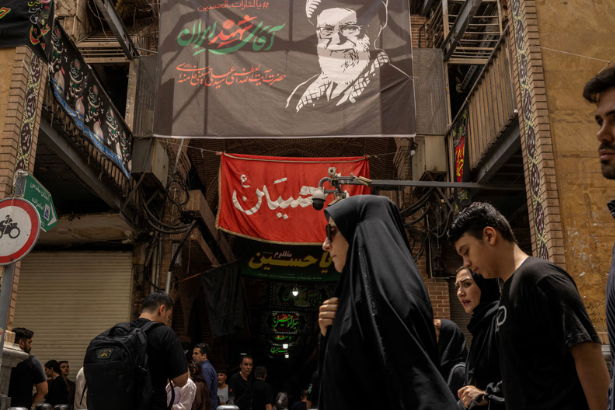
Iran austerity measures have escalated sharply as the government in Tehran confronts what officials themselves are now describing as a full-blown economic siege. Rolling power cuts, soaring inflation, and a presidential call for citizens to layer on coats rather than turn up the heat have combined to paint a stark picture of a country under sustained external pressure.
The scale of the economic strain is reflected directly in the numbers coming out of Iran’s own statistics agencies. The 12-month average inflation rate was 76.8% for the month ending October 22, and point-to-point inflation was 88.7%. Food, beverage, and tobacco prices rose 113.4% year on year in October, a jump that touches nearly every household’s basic grocery budget. www.aljazeera.com
Rolling Blackouts Hit Millions of Iranians
Electricity rationing has become one of the most visible signs of the crisis for ordinary citizens. Rolling power cuts of about two hours a day began on a Sunday, affecting millions of Iranians, with Mohammad Allahdad, head of the national electricity company Tavanir, announcing the cuts and saying “the electricity sector will be forced to impose distribution restrictions”. The National Iranian Gas Company warned that 11 of Iran’s 31 provinces could face supply problems, especially Mazandaran, Golestan, and North Khorasan. www.aljazeera.com
The underlying energy shortfall is substantial and getting worse heading into winter. Government spokeswoman Fatemeh Mohajerani warned the winter gas shortfall could reach 430 million cubic metres a day, up from about 300 million in previous years, while four gas processing plants were damaged early in the conflict, cutting capacity by 230 million cubic metres, of which about 100 million has been restored. Energy Minister Abbas Aliabadi said power plants lost 4,200 megawatts of generation capacity in attacks, with repairs underway. www.aljazeera.com
The scale of Iran’s dependence on natural gas makes the shortfall especially painful. About 86% of electricity comes from natural gas, roughly 7% from oil, 5% from hydropower, and 2% from nuclear, mainly from the Bushehr plant, and the grid serves 92 million people. President Pezeshkian has directly tied the crisis to the conflict, saying the attack on the country’s gas infrastructure has aggravated the situation. www.aljazeera.com
A President in a Coat: The Office Video That Backfired
The austerity push took an unusual public turn this week when state television aired footage intended to showcase presidential sacrifice but instead triggered domestic backlash. A state television reporter visited President Masoud Pezeshkian’s office, and the interview was conducted with the lights off, with the office barely visible, as the broadcaster captioned the video “Have you ever seen the president’s office?” in an apparent attempt to showcase his commitment to energy conservation. www.ynetnews.com
Rather than generating sympathy, the footage drew sharp criticism inside Iran. Pezeshkian said he had stopped heating his home and added that “I am the president, and yet I sleep wearing a coat and fully dressed”, a comment that was meant to model sacrifice but instead became a flashpoint. Iranian media accused him of projecting weakness and humiliating the country, and one newspaper said the government’s communications team had “failed to properly advise President Pezeshkian”. www.ynetnews.com
Critics went further in characterizing the optics as damaging to national pride. One critic called it a “clearance sale” of Iran’s dignity, arguing that a dimly lit office with the president in a coat looked worse than scenes from some of the poorest African countries, while another suggested the footage might have been meant to prepare the public for worse conditions, but said its message of weakness was more damaging. www.ynetnews.com
The government has defended the messaging as necessary leadership by example. Spokeswoman Fatemeh Mohajerani said the whole administration was committed to the effort, accused some critics of questioning the president’s transparency and integrity, and argued that a leader asking the public to conserve should model that behavior, while saying the government accepts criticism but stands by the need to conserve resources through the winter. Pezeshkian himself later said he had not turned off any lights, only avoided switching on unnecessary ones, and considered it his duty to prevent excessive resource use. www.ynetnews.com
The Economic Toll Keeps Mounting
Beyond the optics of the viral video, the underlying economic damage is severe by any measure. Economist Mohammad Reza Farzanegan projects real GDP will shrink about 7% in 2026, the sharpest contraction since the Iran-Iraq War, while lower oil revenue from the US naval blockade is widening budget deficits, and energy subsidies remain politically difficult to cut. Electricity shortages have reportedly cost about 600,000 jobs, and a lawmaker warned that more than one million jobs could be lost if gas shortages continue. www.aljazeera.com
The pressure campaign driving much of this strain has an official name and a specific enforcement mechanism. The US “Operation Economic Outcast” sanctions firms doing business with Iran, aiming to force concessions. Separately, reporting on the broader blockade situation has noted that the second blockade has been in place since July 14, as Iran and the US fight for control of the Strait of Hormuz, with the US military saying it has redirected 147 ships and disabled five while enforcing the blockade. www.aljazeera.comAl Jazeera
No Easy Way Out, Analysts Say
Economists following the situation closely describe a government with few remaining tools to ease the pressure on its population. Farzanegan says the two-hour power cuts may not be enough, warning that “if the blockade continues, these inflationary pressures will increase,” and analysts say Iran has little room to fix the problem without relief from sanctions, access to finance, and subsidy reform. www.aljazeera.com
Pezeshkian himself has characterized the broader situation in stark terms. He called the situation a “silent economic war” that is “tougher than a war with missiles”, a description that underscores how non-military pressure has become the dominant front in the standoff between Washington and Tehran. www.aljazeera.com
Broader Implications
The combination of rolling blackouts, runaway inflation, and a presidential image crisis illustrates how sustained economic pressure can reshape a country’s internal politics even without direct military confrontation. For ordinary Iranians, the practical effect is felt in grocery bills, heating costs, and unpredictable power supply, regardless of how the geopolitical standoff over sanctions and the Strait of Hormuz ultimately resolves.
FAQ
1. What austerity measures has Iran imposed?
Iran has introduced rolling electricity cuts of about two hours a day, urged citizens to reduce heating and energy use, and faces a government budget strained by falling oil revenue and high inflation.
2. How high is inflation in Iran right now?
Iran’s 12-month average inflation rate reached 76.8% for the month ending October 22, with point-to-point inflation at 88.7% and food prices up 113.4% year on year.
3. Why did a video of President Pezeshkian’s office spark outrage?
State television filmed Pezeshkian’s office with the lights off to showcase energy conservation, but Iranian media and critics said the dim, sparse footage made the country look weak and humiliated national dignity.
4. How is the US pressuring Iran’s economy?
The US has maintained a naval blockade around the Strait of Hormuz since July and runs sanctions programs like “Operation Economic Outcast” targeting firms that do business with Iran.
5. How much is Iran’s economy expected to shrink in 2026?
Economist Mohammad Reza Farzanegan projects Iran’s real GDP will contract by about 7% in 2026, which would be the sharpest decline since the Iran-Iraq War.
Sources and References
- Note on source access: the submitted Washington Post link (washingtonpost.com/world/2026/11/26/tehran-imposes-austerity-under-us-pressure-iranians-frustrations-grow/) returned a client error and could not be retrieved. Context was supplemented via WebSearch using related Al Jazeera, Iran International and regional coverage.
- Ynetnews: ynetnews.com/article/hjzx7gs17g
- Al Jazeera: aljazeera.com/features/2026/11/25/iran-rations-electricity-how-deeply-are-us-sanctions-blockade-biting
- Al Jazeera (budget context): aljazeera.com/economy/2026/11/11/can-tehran-survive-a-zero-oil-budget-if-us-blockade-on-iran-persists
- Iran International: iranintl.com/en/202611102352
- Ynetnews (economic analysis): ynetnews.com/business/article/sja11q2flmx