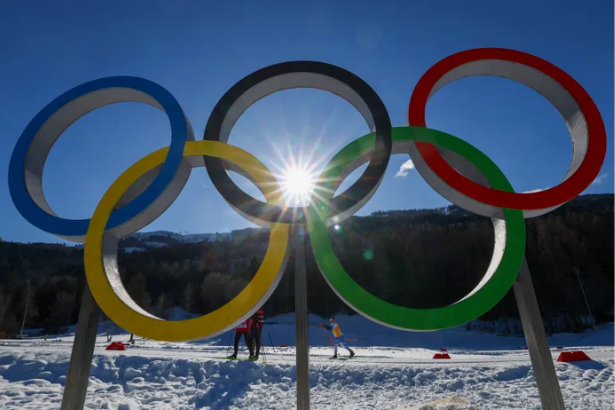
Italy prepares to host the world as Milan and Cortina d’Ampezzo split Olympic history in a first-of-its-kind Winter Games.
Introduction
2026 Winter Olympics interest is surging globally as organizers finalize opening ceremony plans, venue readiness, and broadcast schedules for the Milan Cortina Games.
With less than a year to go, official details confirmed by international broadcasters have triggered a spike in search traffic around ceremony timing, host cities, and athlete storylines.
Why This Olympics Is Different
The 2026 Winter Olympics will mark a historic first for the Olympic movement.
Instead of a single host city, the Games are split between Milan and Cortina d’Ampezzo, combining a global financial capital with one of Europe’s most iconic alpine regions.
Italy previously hosted the Winter Olympics in 1956 and 2006, but Milan Cortina 2026 represents a modernized, distributed-host model designed to reduce costs, reuse infrastructure, and limit environmental impact.
What We Know About the Opening Ceremony and Schedule
According to ESPN, NBC News, and BBC Sport, the 2026 Winter Olympics opening ceremony will take place on February 6, 2026.
Key confirmed details include: the opening ceremony will be held at San Siro Stadium, events will span February 6 to February 22, 2026, Milan will host ice events including hockey and figure skating, and Cortina d’Ampezzo will host alpine skiing, curling, and sliding sports.
NBC reports that preparations are entering the final infrastructure and rehearsal phase, while Italian organizers emphasize sustainability and long-term venue reuse.
What Experts Are Saying
Olympic analysts note that Milan Cortina 2026 reflects a broader IOC strategy shift.
Rather than building costly single-use stadiums, the Games rely on existing arenas, temporary structures, and regional cooperation. This model has become increasingly attractive as host cities face political and economic resistance.
Broadcasters also see the split-host format as a ratings opportunity, blending urban spectacle with dramatic mountain visuals that translate well across digital platforms and streaming audiences.
What This Means for the Future of the Olympics
For the Olympics
Milan Cortina 2026 is viewed as a stress test for future distributed Olympics, especially for countries hesitant to bid under traditional models.
For Technology and Broadcasting
Expect heavy use of AI-assisted camera tracking, cloud-based remote production, and enhanced streaming personalization for global audiences.
For Tourism and Infrastructure
Italy projects long-term tourism growth across northern regions, not just a single host city.
How This Compares to Past Winter Olympics
The 2006 Turin Winter Olympics represented a centralized model with heavy infrastructure spending.
By contrast, Milan Cortina mirrors recent Summer Games trends that emphasize modular venues, smart transportation planning, and digital-first fan engagement.
This evolution parallels changes seen in global sporting events like the FIFA World Cup’s multi-country hosting model.
What Happens Next
Between now and early 2026, fans can expect final torch relay route announcements, detailed competition schedules by sport, athlete qualification updates, and broadcast plans from NBC, BBC, and international networks.
Ticket sales and travel demand are expected to accelerate sharply by late 2025.
Why Milan Cortina 2026 Matters
The 2026 Winter Olympics are shaping up to be one of the most structurally innovative Games in modern Olympic history.
By combining Milan’s global profile with Cortina’s alpine legacy, Italy is positioning Milan Cortina 2026 as both a sporting showcase and a blueprint for the future of hosting mega-events in a cost-conscious, sustainability-driven era.
FAQ
Where are the 2026 Winter Olympics held?
They are hosted across Milan and Cortina d’Ampezzo in northern Italy.
When is the opening ceremony?
February 6, 2026.
How long do the Games last?
From February 6 to February 22, 2026.
Why are there two host cities?
To reduce costs, reuse venues, and limit environmental impact.
Who is broadcasting the Games?
NBC in the US, BBC in the UK, and global rights holders worldwide.